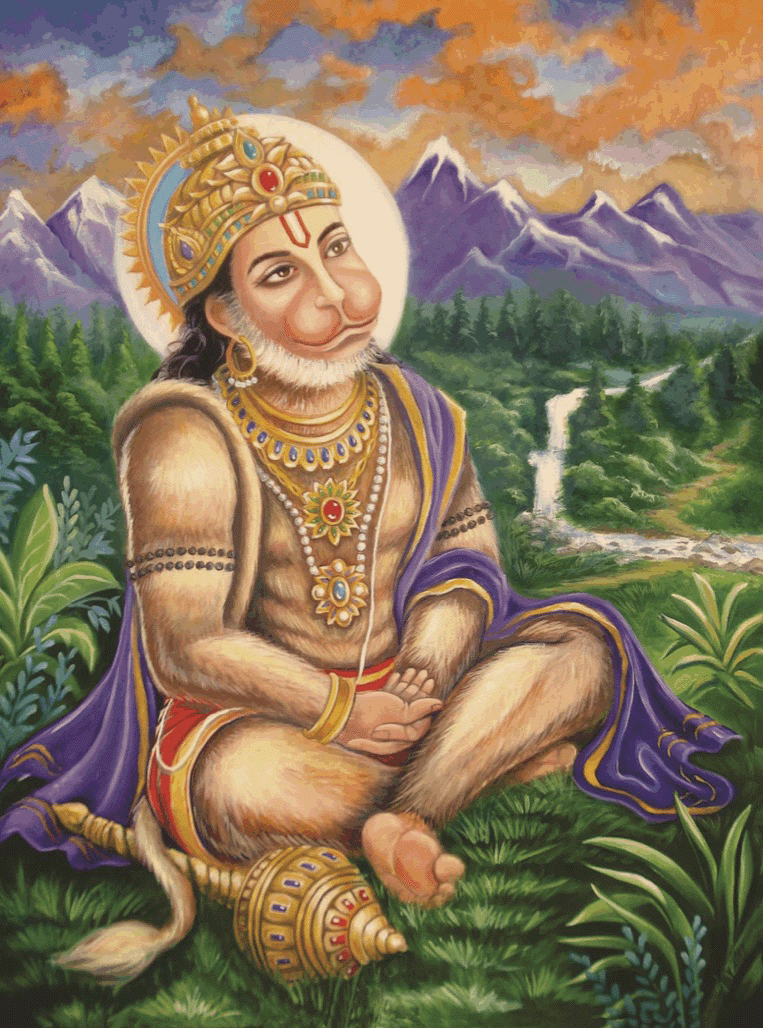
27. Saba para rāma tapasvi rājāZZZTina ke kāja sakala tuma sājā
-
Ram the renunciate reigns over all. You carry out his every task.
-
saba — all
para — above
Rāma — Ram
tapasvi — ascetic
rājā — king
tina — his
(ke) kāja — work
sakala — all
tuma — you
sājā — do
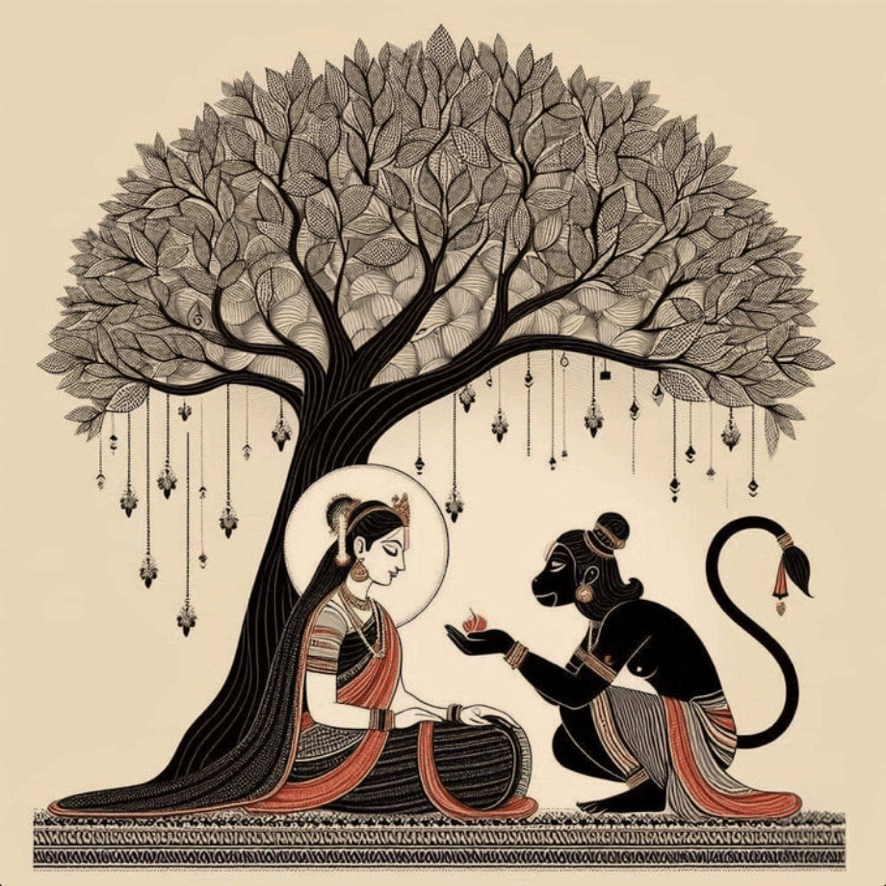
28. Aura manoratha jo ko-ī lāvaiZZZSo-ī amita jīvana phala pāvai
-
One who brings any yearning to you obtains the fruit of immortal life.
-
aura — other
manoratha — desires
jo — those
koi — any
lāvai — bring
so-i — that
amita — nectar
jivana — life
phala — fruit
pavai — obtains
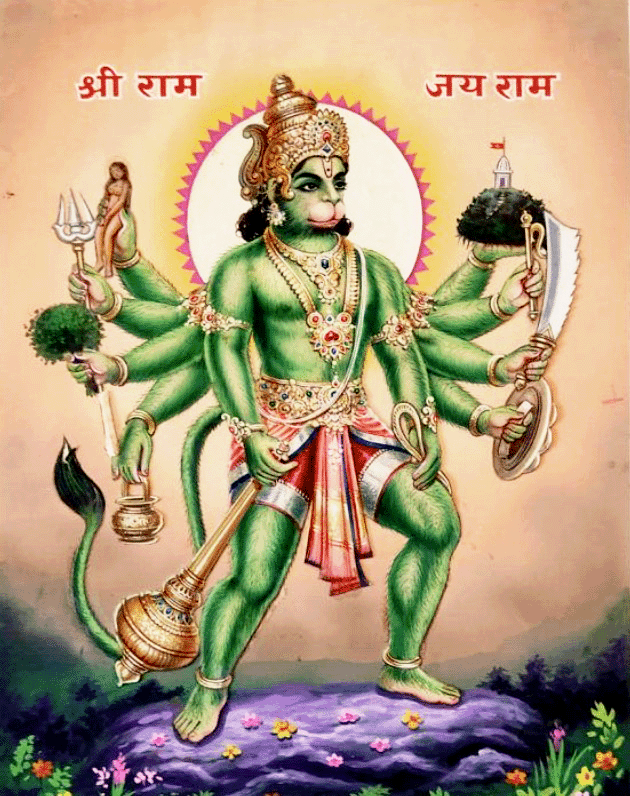
29. Chāron juga paratāpa tumārāZZZHai parasiddha jagata ujiyārā
-
Your splendor fills the four ages. Your fame shines throughout the world.
-
chāron — all the four
yuga — ages
paratāpa — glory
tumhārā — your
hai (“to be” verb) — is
parasiddha — fame
jagata — universe
ujiyārā — enlightens
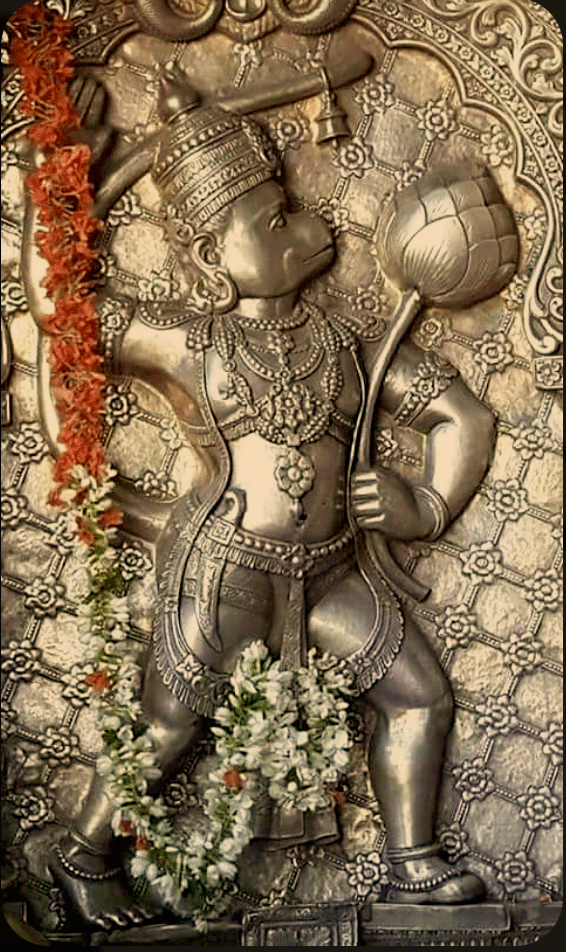
30. Sādhu santa ke tuma rakhavāreZZZAsura nikandana rāma dulāre (Copy)
-
You are the guardian of saints and sages, the destroyer of demons, the darling of Ram.
-
sādhu — sages
santa — saints
ke — of
tuma — you
rakhavāre — protector, guardian
asura — demons
nikandana — destroy
Rāma — Ram
dulāre — beloved

31. Ashta siddhi nau nidhi ke dātāZZZAsa bara dīna jānakī mātā (Copy)
-
You grant the eight powers and the nine treasures by the boon you received from Mother Janaki (Sita).
-
ashta — eight
siddhi — powers
nau — nine
nidhi — treasures
(ke) dātā — giver of
asa — this
bara — boon
dina — given
Jānakī — Janaki
mātā — mother
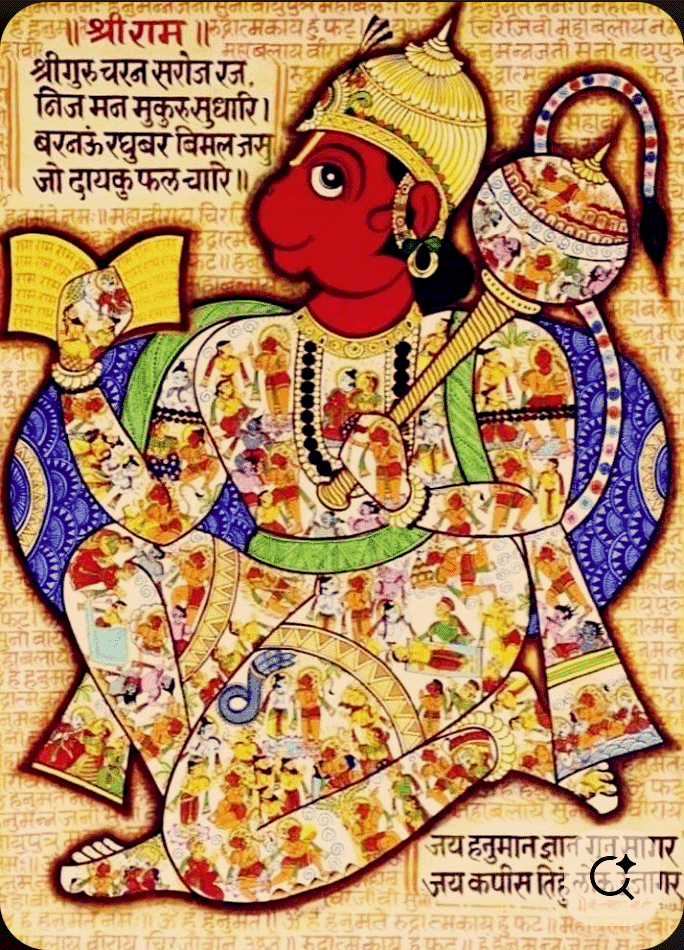
32. Rāma rasāyana tumhare pāsāZZZSadā raho raghupati ke dāsā (Copy)
-
You hold the elixir of Ram’s name and remain eternally his servant.
-
Rāma — Ram
rasāyana — nectar
tumhare — you
pāsā — posses
sadā — always
raho — live/remain
Raghupati ke — Ram’s
dāsā — servant
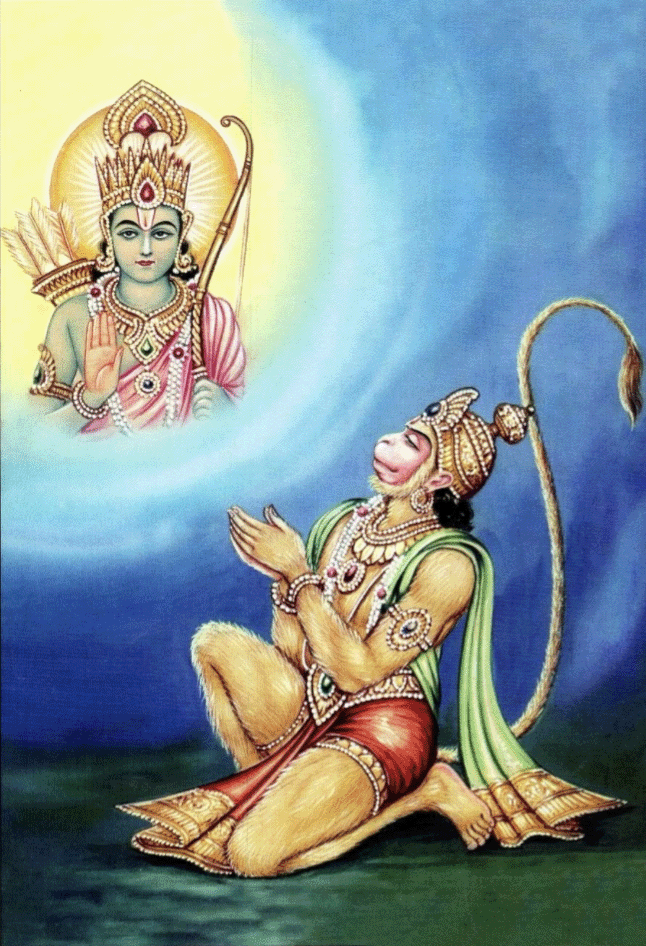
33. Tumhare bhajana rāma ko pāvaiZZZJanama janama ke duhka bisarāvai (Copy)
-
Singing your praise, one finds Ram and the sorrows of countless lives are left behind.
-
tumhare — your
bhajana — devotion
Rāma — Ram
(ko) pāvai — obtained
janama janama ke — birth (of birth after birth)
duhkha — pain
bisarāvai – left behind
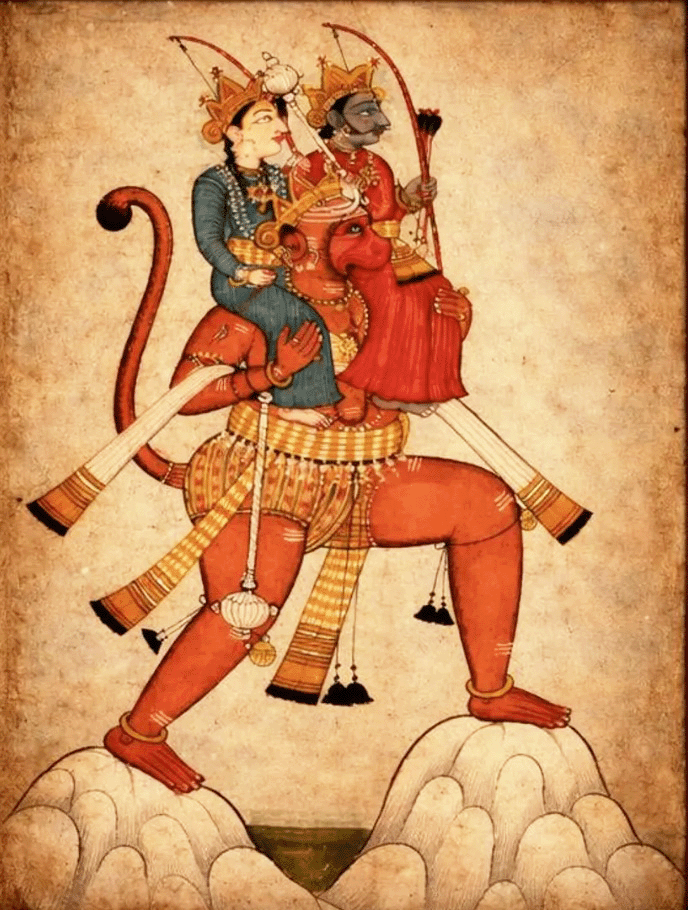
34. Antakāla raghubara pura jā-īZZZJahān janama hari bhakta kahā-ī (Copy)
-
At death, one goes to Ram’s abode or is born on earth as God’s devotee.
-
anta — end
kāla — time
Raghubara — Ram’s
pura — place/city
jā-i — go
jahān — where
janama — birth
Hari — Lord who destroys material bondage and grants mokshya (Ram)
bhakta — devotee
kahā-i — called
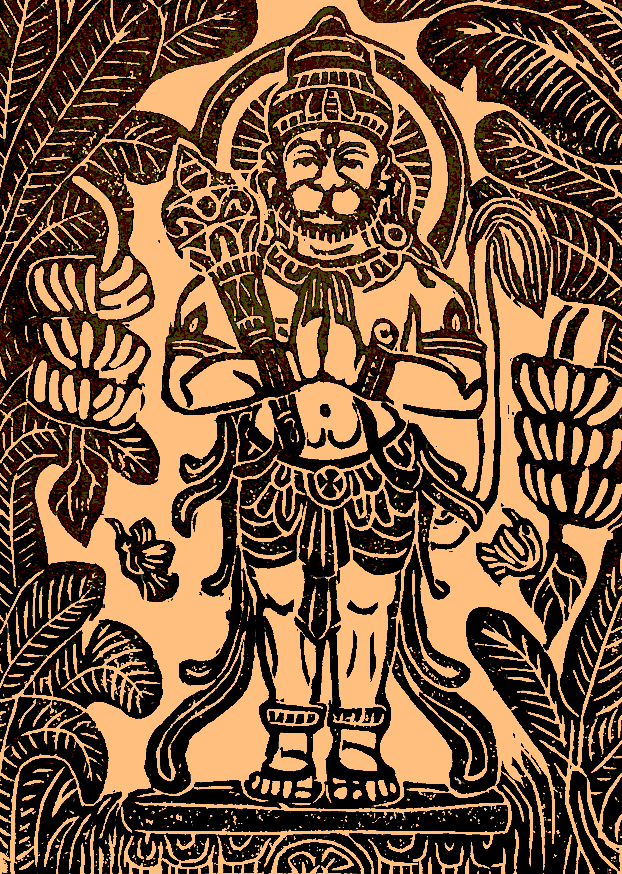
35. Aura devatā chitta na dhara-īZZZHanumata se-i sarva sukha kara-ī (Copy)
-
Give no thought to any other deity; worshipping Hanuman, one gains all delight.
-
aura — other
devatā — gods
chitta — mind
na — not
dhara-i — keep
Hanumata — Hanuman
se-i — with
sarva — all
sukha — happiness
kara-i — do
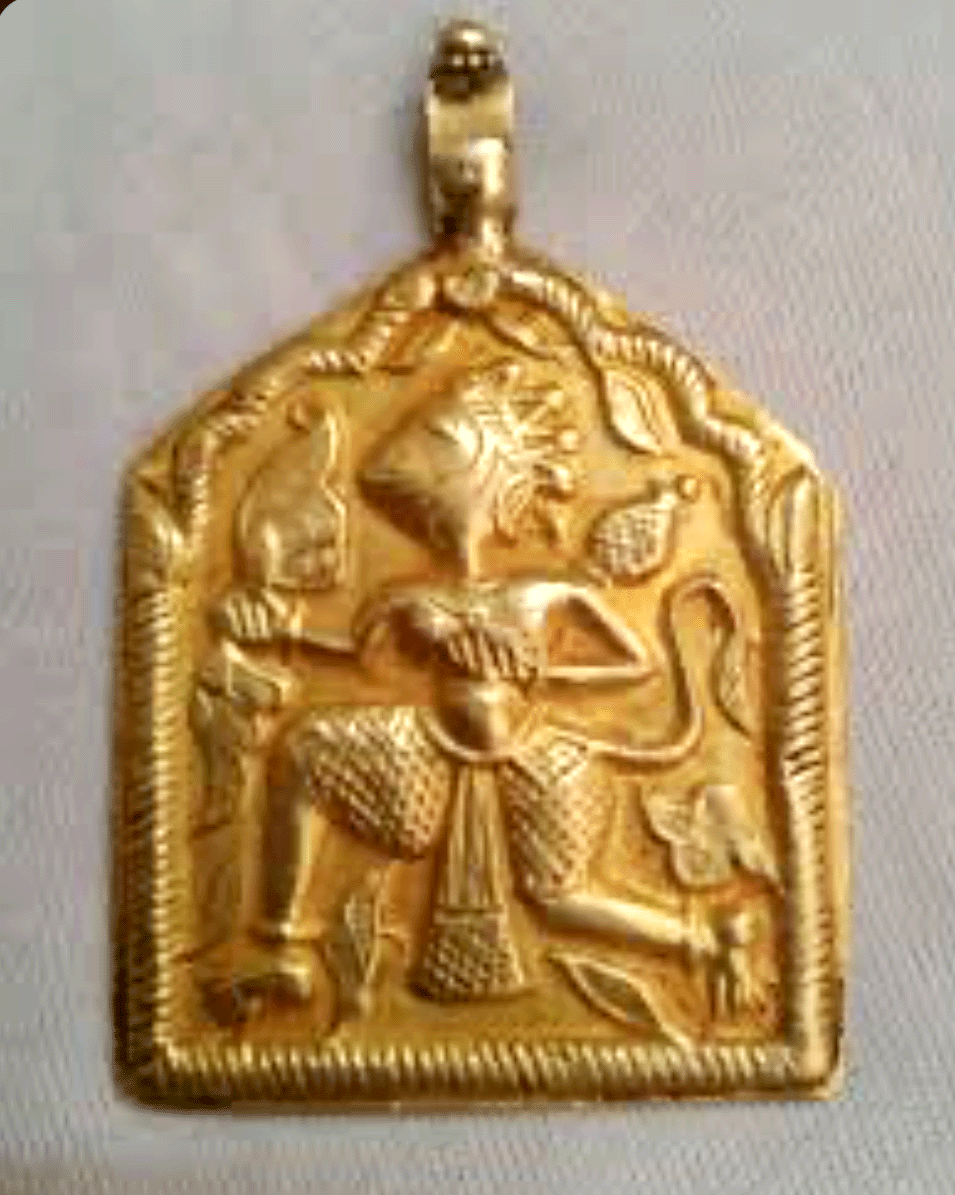
36. Sankata katai mitai saba pīrāZZZJo sumirai hanumata bala bīrā (Copy)
-
All affliction ceases, all pain is removed, when one remembers the mighty hero.
-
sankata — difficulty
katai — end
mitai — remove
saba — all
pirā — suffering
jo — who
sumirai — remember
Hanumata — Hanuman
bala — strong
birā — brave
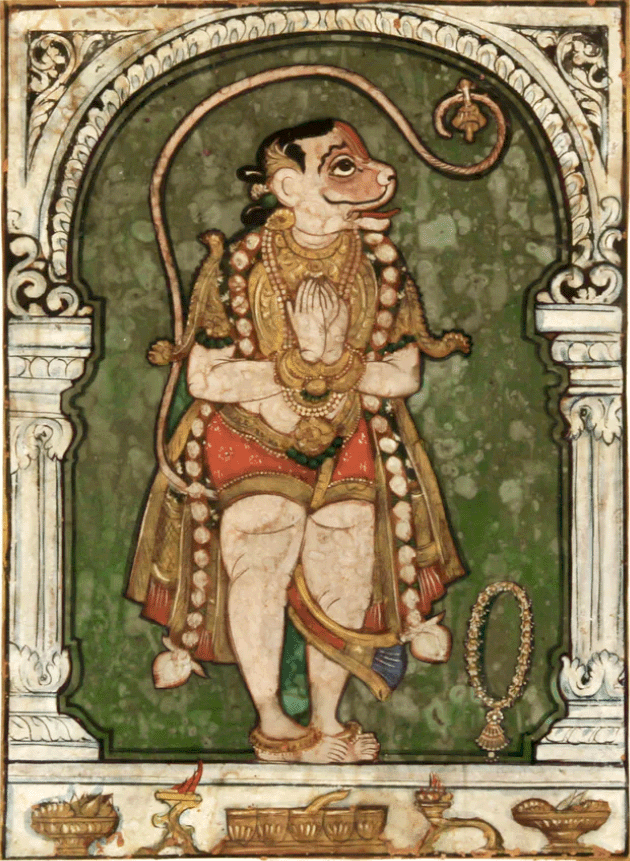
37. Jai jai jai hanumāna gosā-īZZZKripā karahu gurudeva ki nā-ī (Copy)
-
Victory, victory, victory to Lord Hanuman! Be merciful even as is the Divine Master.
-
Jai Jai Jai Hanumāna — victory, victory, victory to Hanuman
gosā-i — lord
kripā — grace
karahu — do
guru — guru
deva — god
ki nā-i — as/like
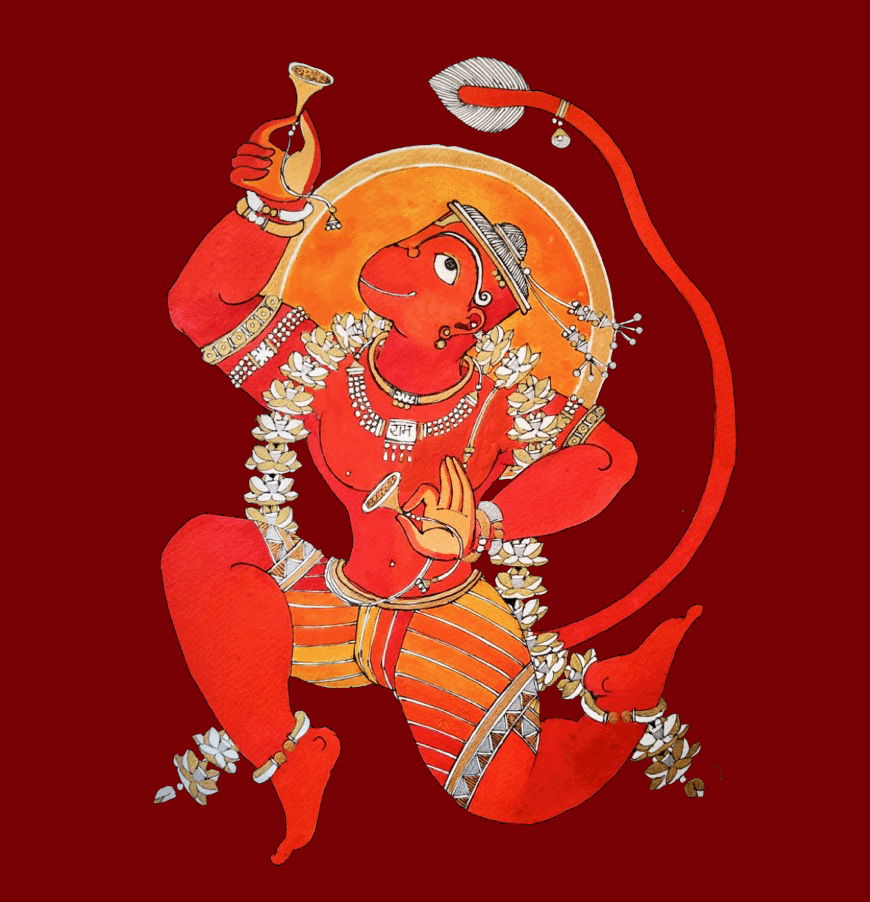
38. Jo sata bāra pātha kara ko-īZZZChutahi bandi mahā sukha ho-ī (Copy)
-
Whoever recites this a hundred times is released from bondage and gains bliss.
-
jo — who
sata — 100
bāra — times
pātha — recites
kara — does
ko-ī — anyone
chutahi — freed
bandi — bondage
mahā — great
sukha — happiness
ho-ī — be/is
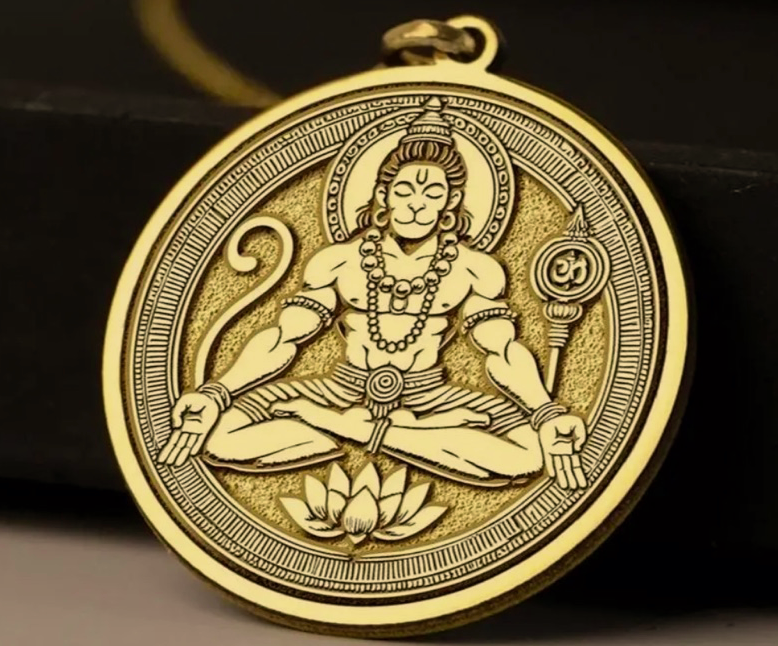
39. Jo yaha parhe hanumāna chālisāZZZHoya siddhi sākhī gaurīsā (Copy)
-
One who reads this Hanuman Chalisa gains abilities and success – Gauri’s Lord bears witness.
-
jo — who
yaha — this
parhe — reads
Hanumāna chālisā — Hanuman Chalisa
hoya — be
siddhi — power/perfection
sākhi — witness
Gaurisā — Gauri’s Lord (Shiva)
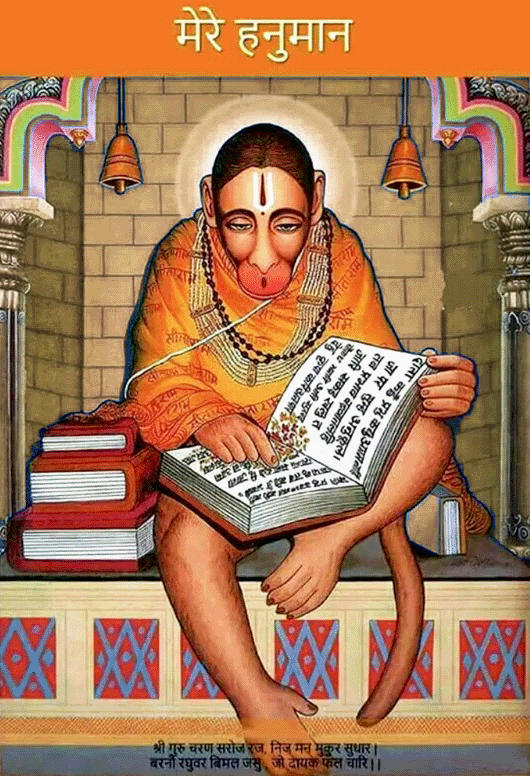
40. Tulasīdāsa sadā hari cherāZZZKījai nātha hrdaya mahan derā (Copy)
-
Says Tulsidas, Hari’s constant servant, “Lord, make your home in my heart.”
-
Tulasidāsa — Tulsidas
sadā — always
Hari — Ram
cherā — servant
kijai — do
nātha — lord
hridaya — heart
mahā — my
derā — home
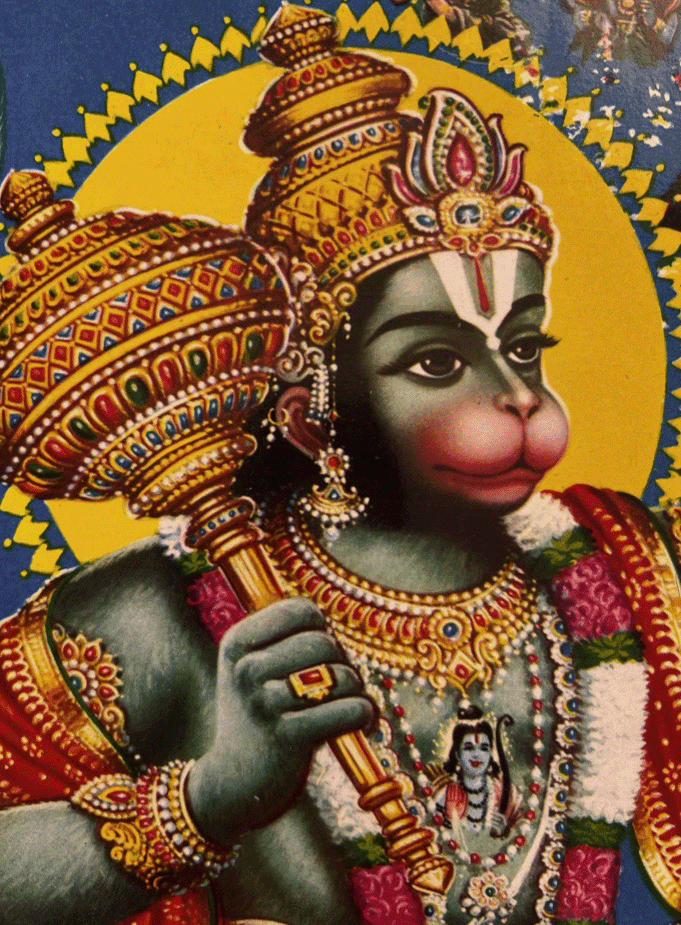
Pavana tanaya sankata haranaZZZMangala mūrati rūpaZZZRāma lakhana sītā sahitaZZZHridaya basahu sura bhūpa (Copy)
-
Son of the Wind, banisher of sorrow and embodiment of auspiciousness, with Ram, Lakshman, and Sita may you ever dwell in my heart.
-
pavana tanaya — Son of the Wind
sankata — sorrow
harana — banish
mangala — blessing/joy
mūrati — embodiment
rūpa — form
Rāma Lakhana Sītā — Ram, Lakshman and Sita
sahita — with
hridaya — heart
basahu — dwell/live
sura — deva (Gods/divine beings of light)
bhūpa — ruler/king
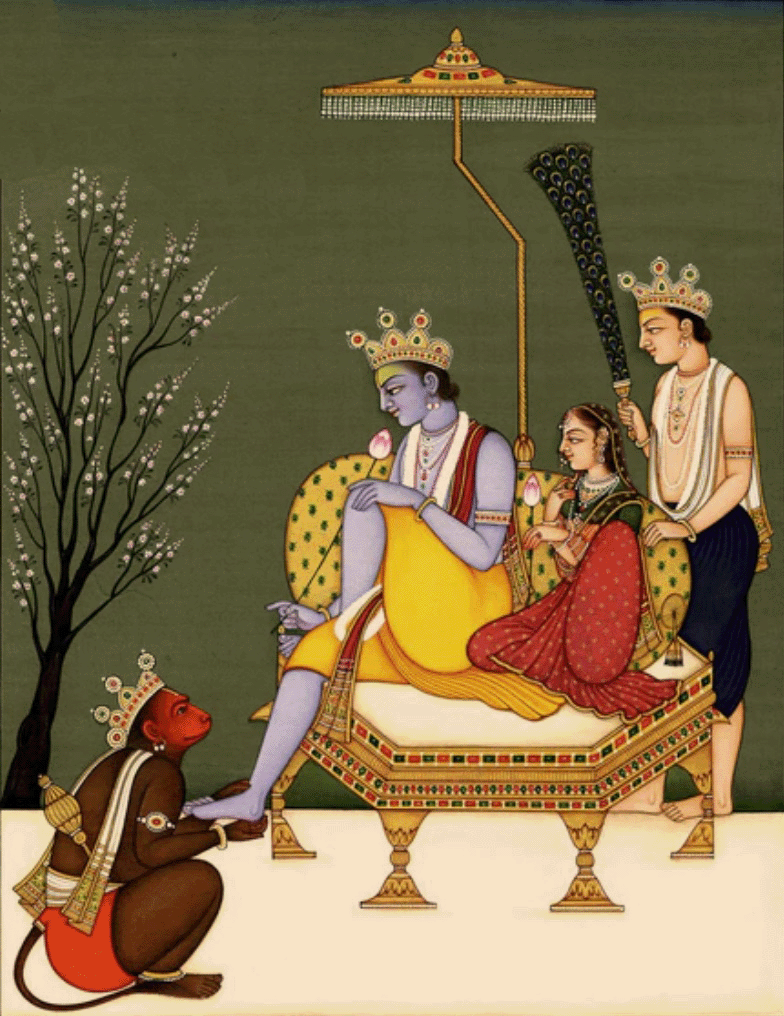
Siyā vara rāmachandra pada jai sharanam (Copy)
-
Hail to the refuge of the feet of Sita’s husband, Ramachandra.
-
Siyā — Sita’s
vara — husband
Rāmachandra — Ramachandra
pada — feet
jai — hail / victory to
sharanam — shelter
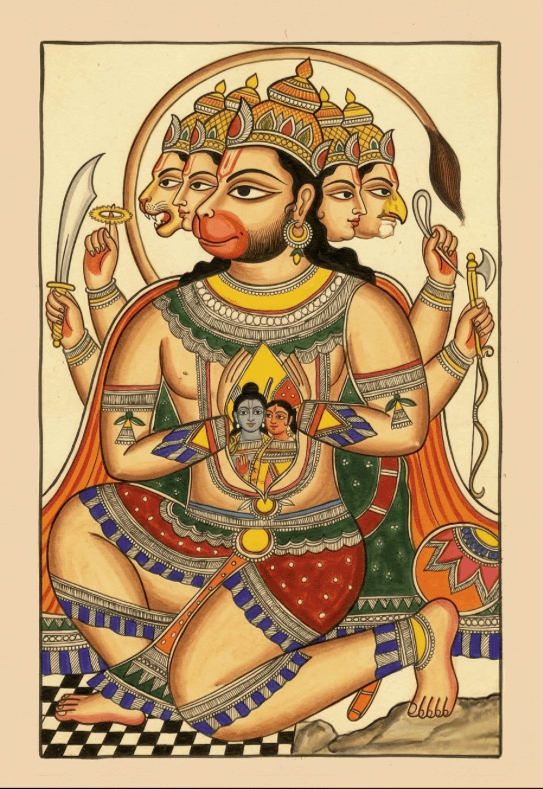
Mangala mūrati māruta nandanaZZZSakala amangala mūla nikandana (2x) (Copy)
-
Son of the wind, embodiment of auspiciousness, you destroy the root of all that is inauspicious.
-
mangala — auspiciousness
mūrati — embodiment
māruta — wind
nandana — son
sakala — all
amangala — inauspicious
mūla — root
nikandana — destroyer