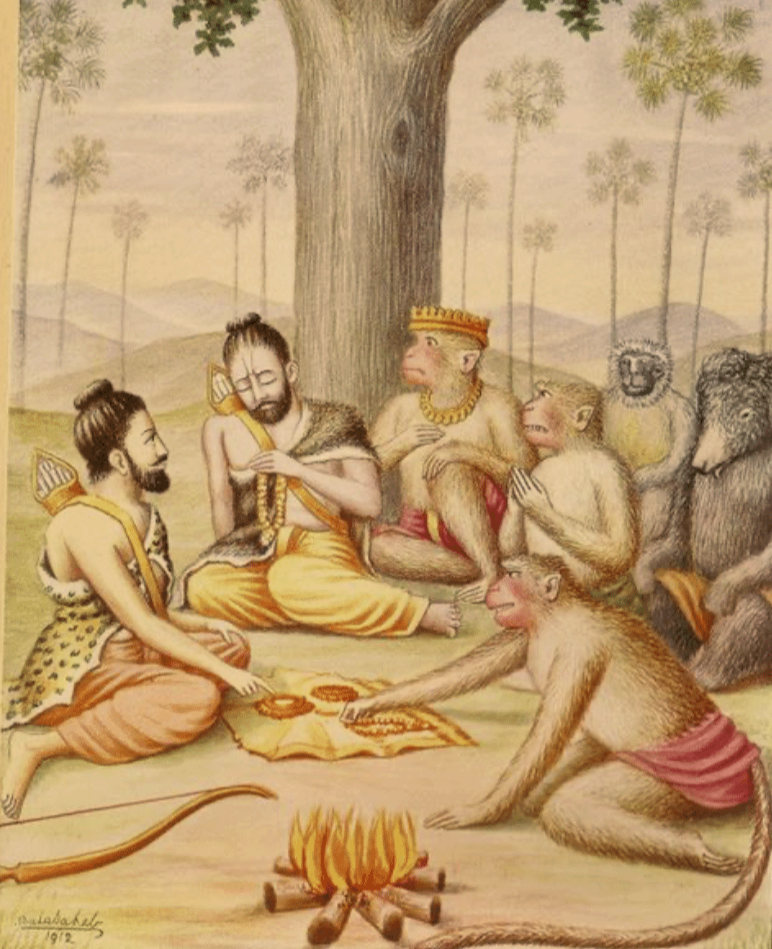
Hanuman Chalisa
Mangala mūrati māruta nandanaZZZSakala amangala mūla nikandana (2x)
-
Son of the wind, embodiment of auspiciousness, you destroy the root of all that is inauspicious.
-
mangala — auspiciousness
mūrati — embodiment
māruta — wind
nandana — son
sakala — all
amangala — inauspicious
mūla — root
nikandana — destroyer
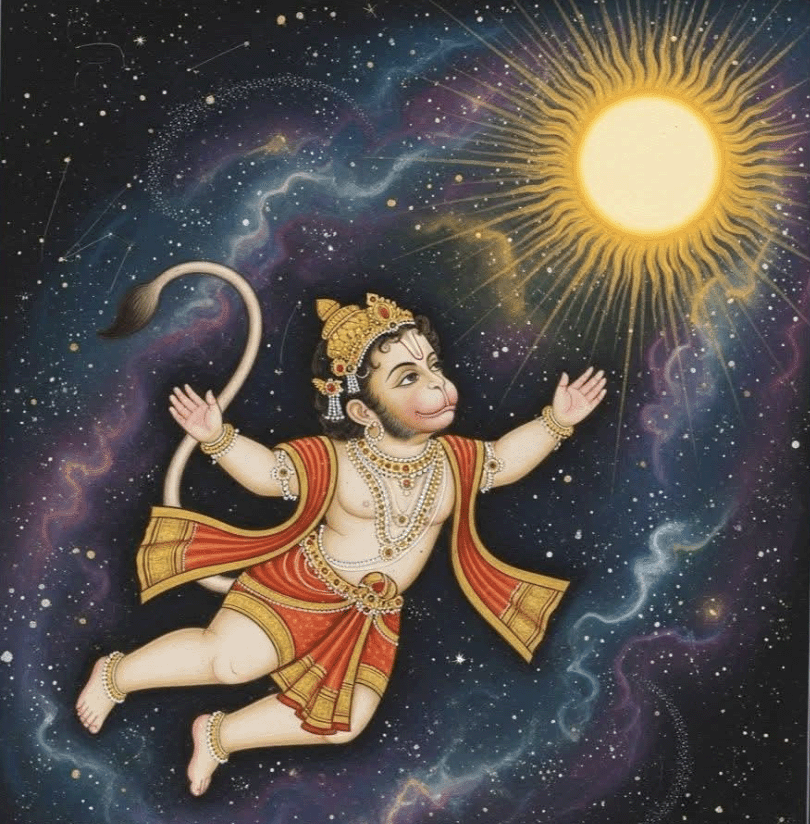
Shri guru charana saroja rajaZZZNija mana mukuru sudhāriZZZBaranau raghubara bimala jasuZZZJo dāyaku phala chāri
-
As the dust of my Guru’s lotus feet polishes the mirror of my heart, I sing the unblemished glory of the best of the Raghus, which bestows the four fruits of life.
-
shri — respected
guru — guru
charana — feet
saroja — lotus
raja — dust
nija — own
mana — heart
mukuru — mirror
sudhāri — cleaning, purifying, or polishing
baranau — describe
Raghubara — Ram’s
bimala — pure
jasu — purify
jo — that
dāyaku — gives
phala — fruit
chāri — four
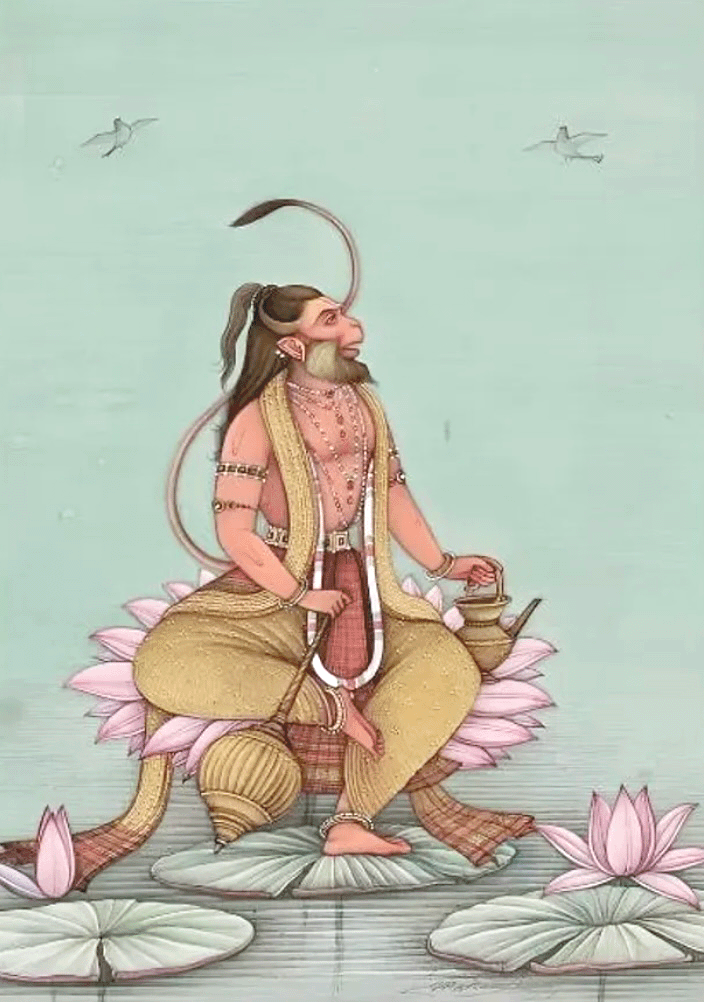
Buddhi hīna tanu jānikeZZZSumirau pavana kumāraZZZBala buddhi vidyā dehu mohinZZZHarahu kalesa bikāra
-
Knowing this body to be devoid of intelligence, I recall the Son of the Wind. Grant me strength, intelligence, and wisdom and remove my sorrows and shortcomings.
-
buddhi — intelligence
hina — without
tanu — body
jānike — know
sumirau — remember
pavana — wind
kumāra — son
bala — strength
budhi vidyā — intelligence / wisdom
dehu — give
mohi — me
harahu — remove
kalesa — suffering
bikāra — impurity
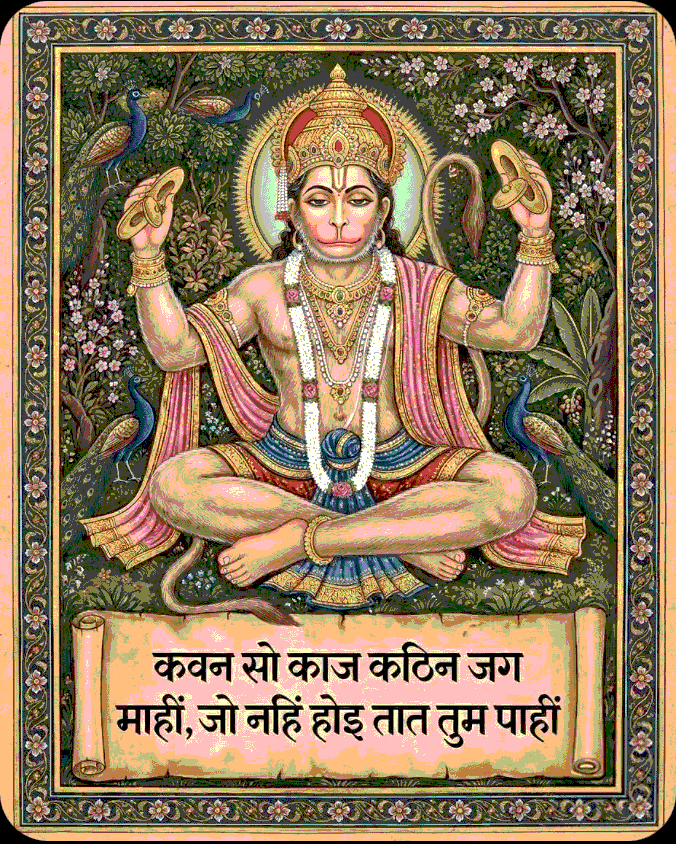
Siyā vara rāmachandra pada jai sharanam
-
Hail to the refuge of the feet of Sita’s husband, Ramachandra.
-
Siyā — Sita’s
vara — husband
Rāmachandra — Ramachandra
pada — feet
jai — hail / victory to
sharanam — shelter
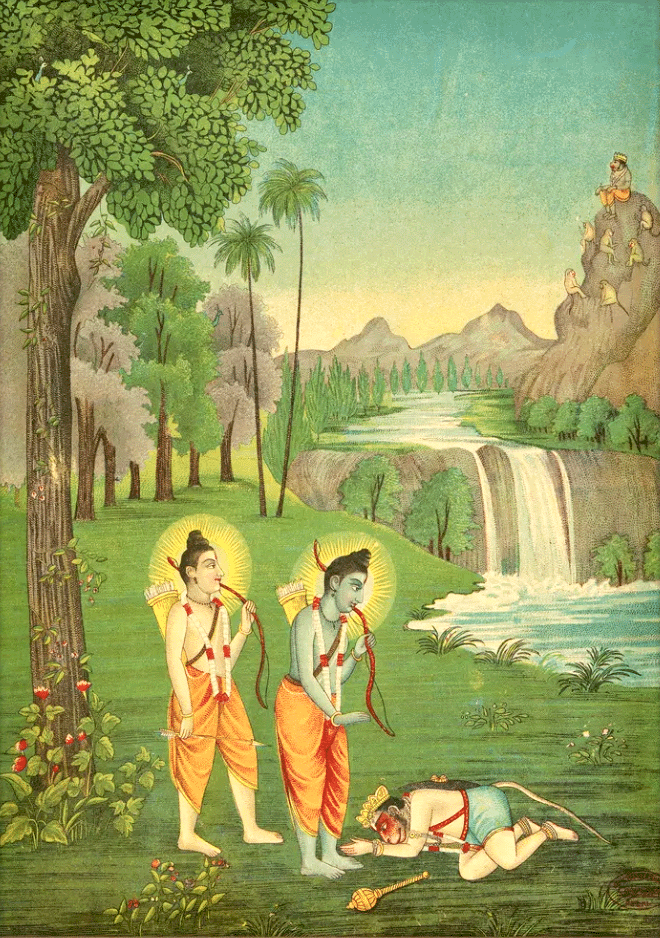
1. Jaya hanumāna gyāna guna sāgaraZZZJaya kapisha tihu loka ujāgara
-
Victory to Hanuman, ocean of wisdom and virtue, hail Monkey Lord, illuminator of the three worlds.
-
jaya — hail
Hanumāna — Hanuman
gyāna — wisdom
guna — virtue
sāgara — ocean
jaya — hail
Kapisha — Lord of the Monkeys
tihu — three
loka — world
ujāgara — illuminate / awaken
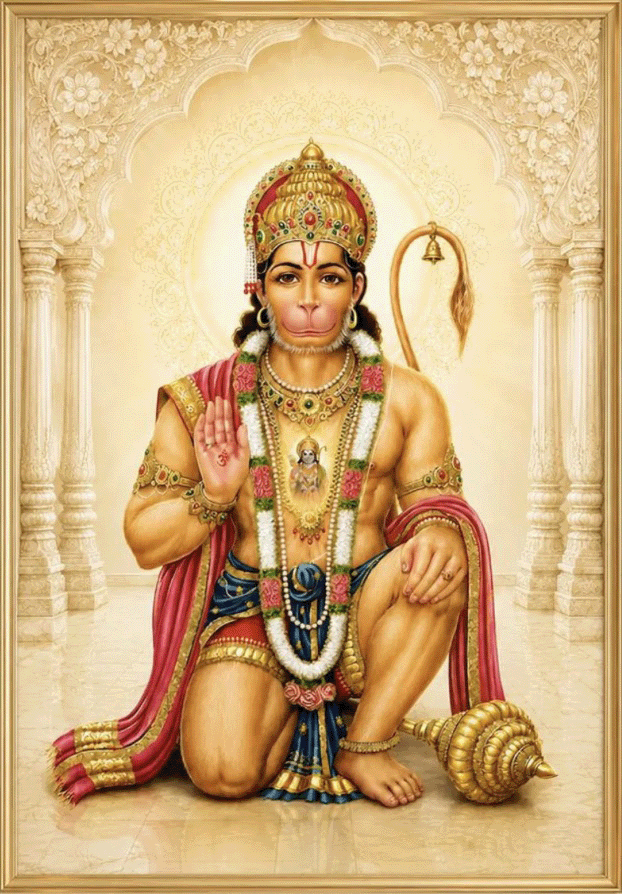
2. Rāma duta atulita bala dhāmāZZZAnjani putra pavanasuta nāmā
-
Ram’s emissary, abode of matchless power, Anjani’s son, named “Son of the Wind.”
-
Rāma — Rām
duta — messenger
atulita — incomparable
bala — strength
dhāmā — abode
Anjani putra — Anjani’s son
pavana — wind
suta — son (offspring)
nāmā — the name
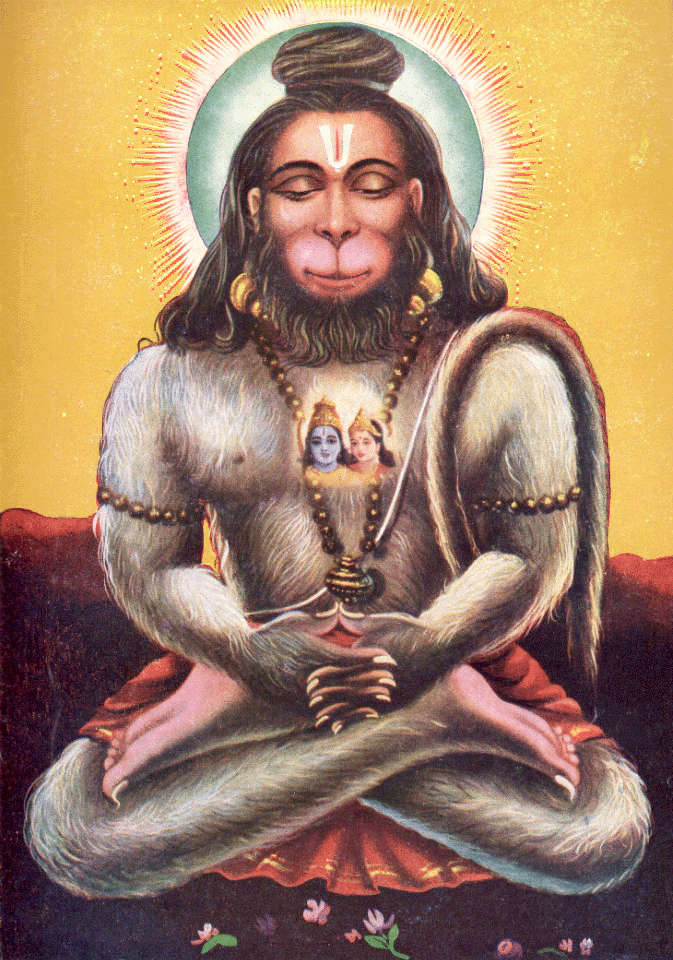
3. Mahābira bikrama bajarangiZZZKumati nivāra sumati ke sangi
-
Great hero, mighty as a thunderbolt, remover of ignorance and companion to the good.
-
mahā — great
bira — hero
bikrama — valiant
bajarangi — body like a thunderbolt
kumati — ignorance
nivāra — purify
sumati ke — of the wise/good
sangi — companion
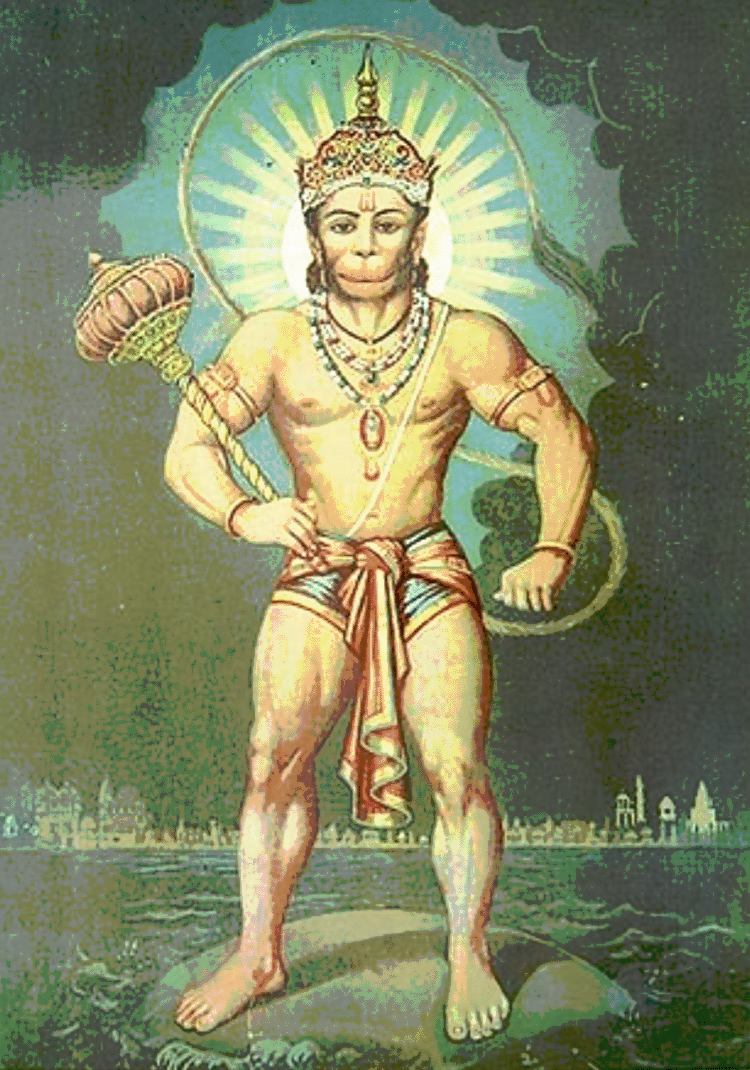
4. Kanchana barana birāja subesāZZZKānana kundala kunchita kesā
-
Golden-hued and splendidly adorned, with heavy earrings and curly locks.
-
kanchana — golden
barana — color
birāja — beautifully
subesā — clothed
kānana — ears
kundala — rings
kunchita — long/curly
kesā — hair
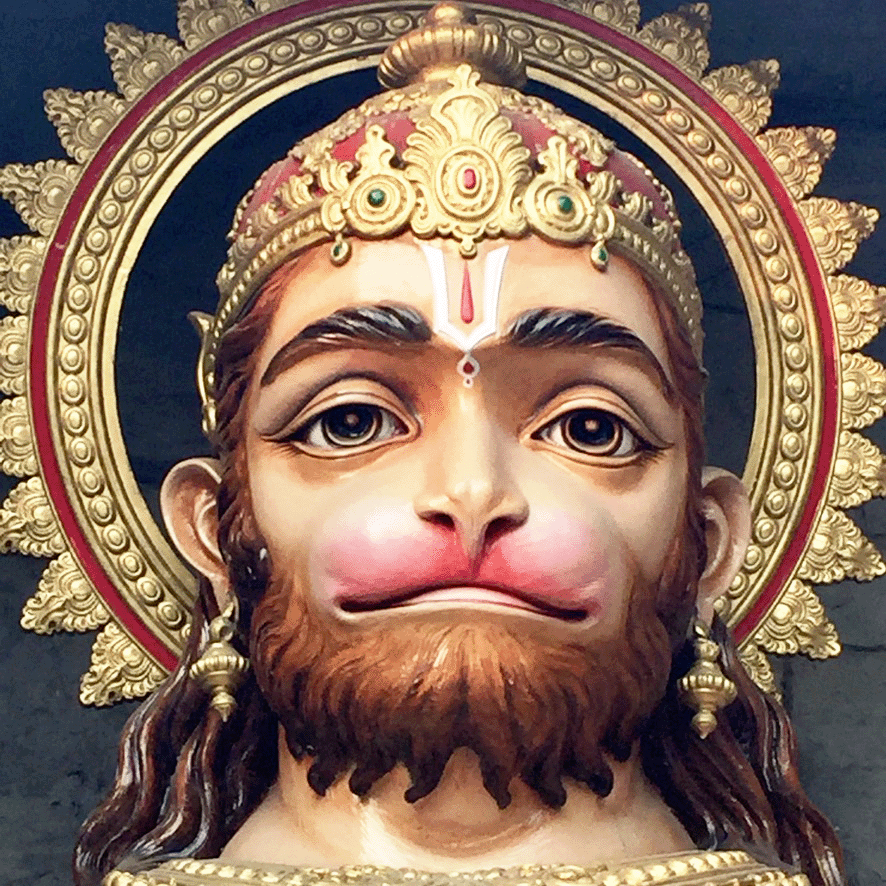
5. Hātha vajra aur dhvajā birājaiZZZKandhe munja jane-u sājai
-
In your hands shine mace and banner, a sacred thread of munja grass adorns your shoulder.
-
hātha — hand
vajra — mace (thunderbolt)
aur — and
dvajā — banner
birājai — bearing
kandhe — shoulder
munja — grass
jane-u — sacred thread
sājai — adorn
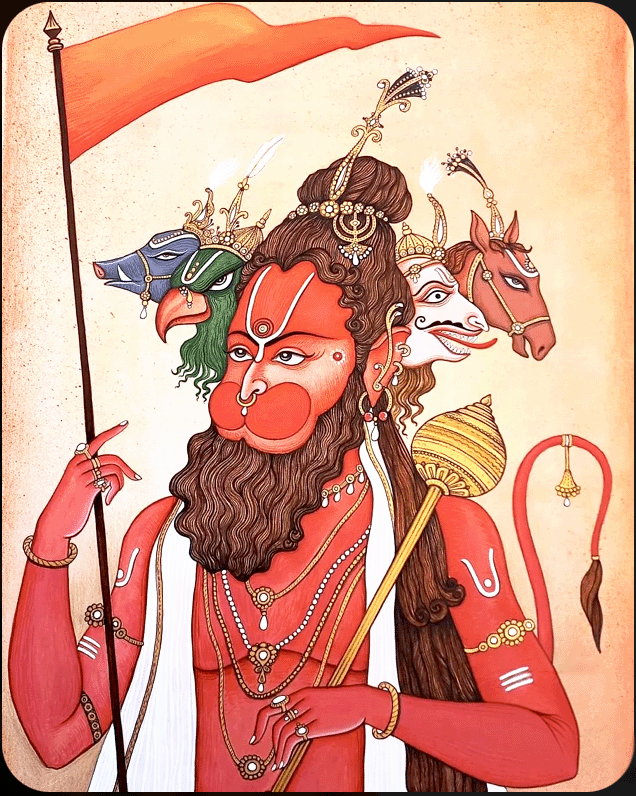
6. Shankara suvana kesari nandanaZZZTeja pratāpa mahā jaga bandana
-
You are Shiva’s son and Kesari’s joy, your glory is sung throughout the world.
-
Shankara — Shiva’s
suvana — incarnation
Kesari — Kesari’s
nandana — son
teja — power
pratāpa — glory
mahā jaga — whole universe
bandana — praised
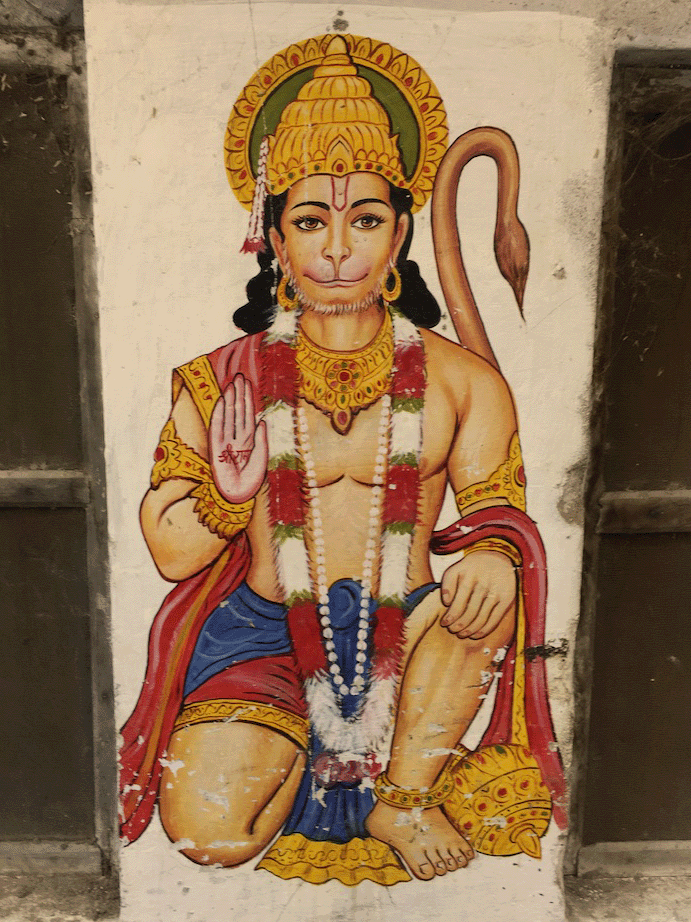
7. Vidyā vāna gunī ati cāturaZZZRāma kāja karibe ko ātura
-
Supremely wise, virtuous, and clever, you are ever intent on Ram’s work.
-
Vidyā vāna — full of wisdom
guni — virtuous
ati — very
chātura — clever
Rāma — Ram’s
kāja — work
karibe — doing
ko — like/as
ātura — eager
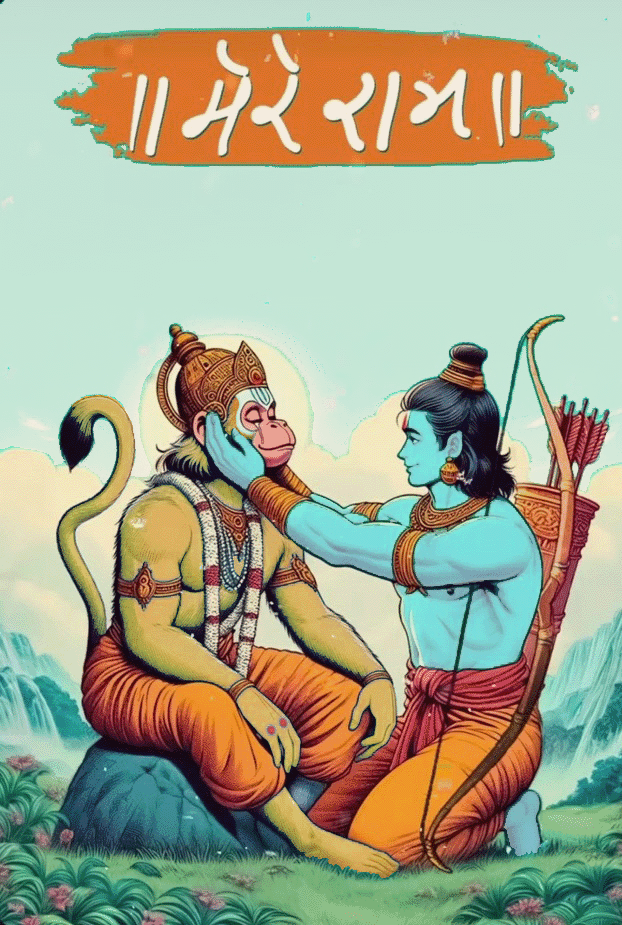
8. Prabhu charitra sunibe ko rasiyāZZZRāma lakhana sītā mana basiyā
-
You delight in hearing of the Lord’s deeds. Ram, Lakshman, and Sita dwell in your heart.
-
Prabhu — Lord
charitra — story
sunibe — hearing
ko — like/as
rasiyā — nectar
Rāma — Ram
Lakhana — Lakshman
Sītā — Sita
mana — heart
basiyā — residing
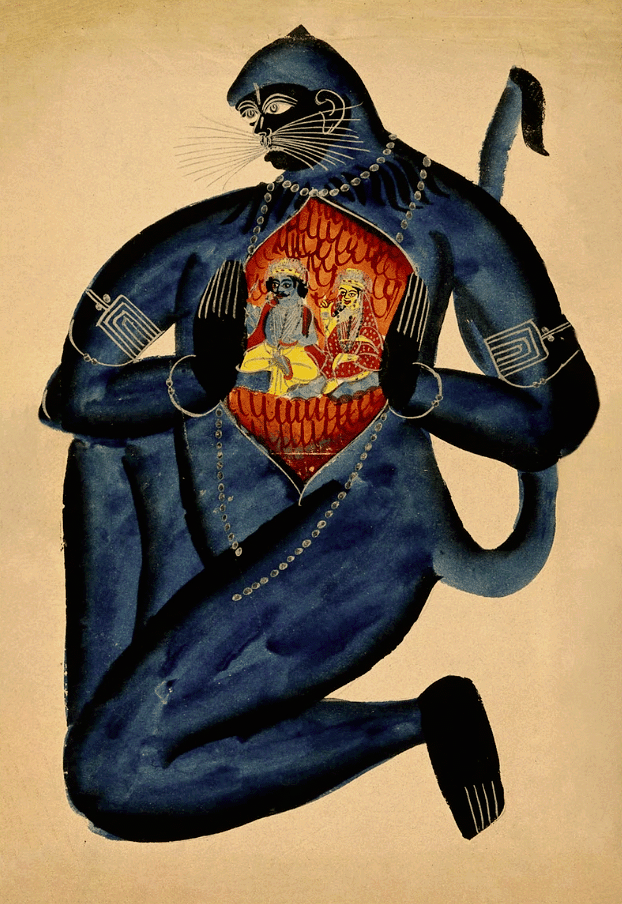
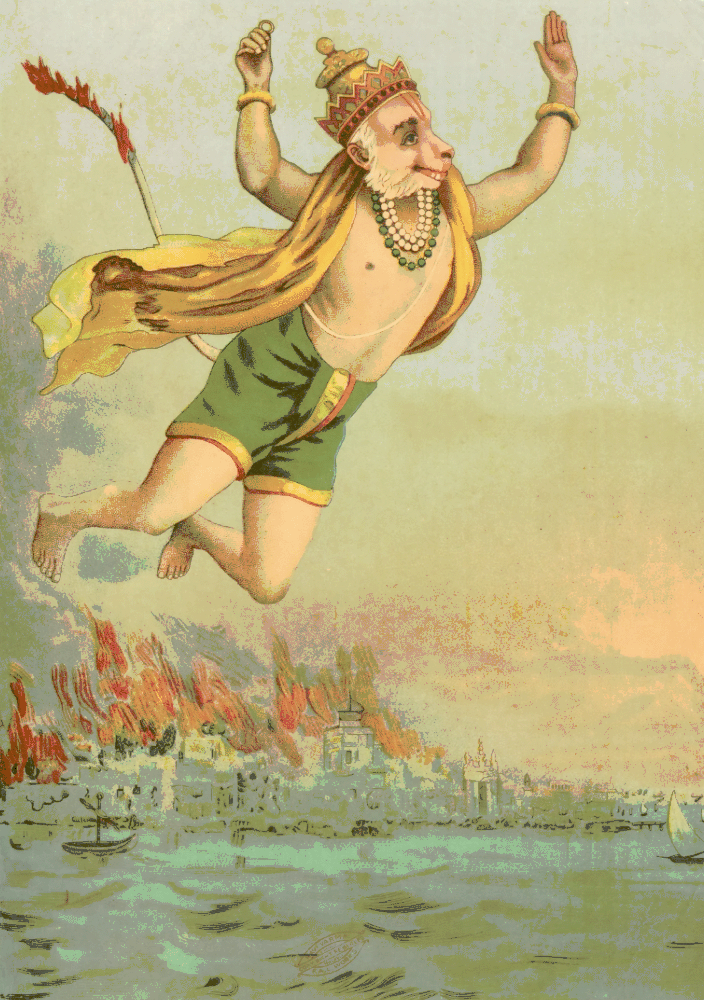
9. Sūkshma rūpa dhari siyahi dikhāvāZZZBikata rūpa dhari lanka jarāvā
-
Assuming a tiny form you appeared to Sita, and in awesome guise you burned Lanka.
-
sūkshma — tiny
rūpa — form
dhari — assume
Siyahi — to Sita
dikhāvā — to show
bikata — terrifying
rūpa — form
dhari — assume
Lanka — Lanka
jarāvā — burn
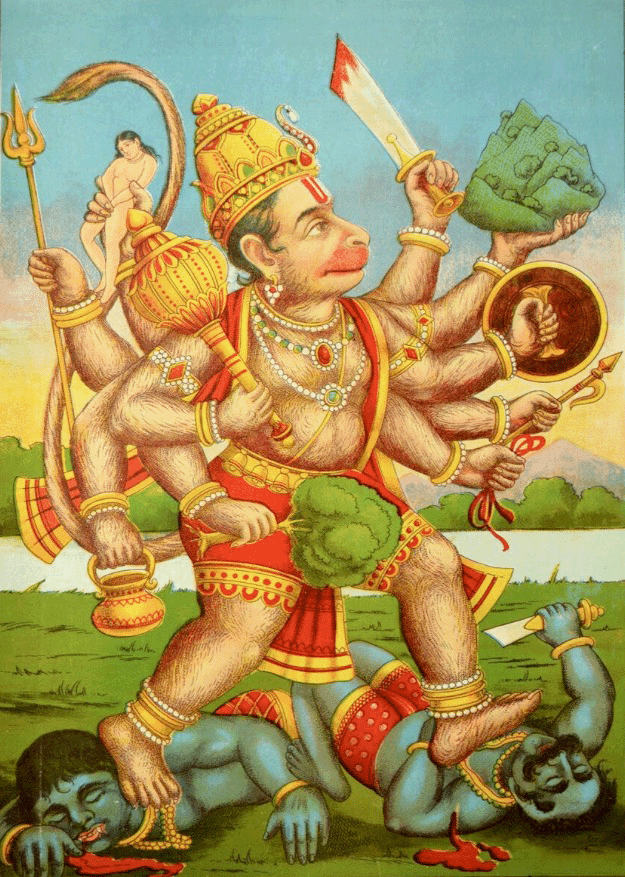
10. Bhīma rūpa dhari asura sanhāreZZZBikata rūpa dhari lanka jarāvā
-
Taking dreadful form you slaughtered demons and completed Lord Ram’s mission.
-
bhīma — mighty warrior
rūpa — form
dhari — assume
asura — demons
sanhāre — destroy
Rāmachandra ke — Ram’s
kāja — work
sanvāre — carried out
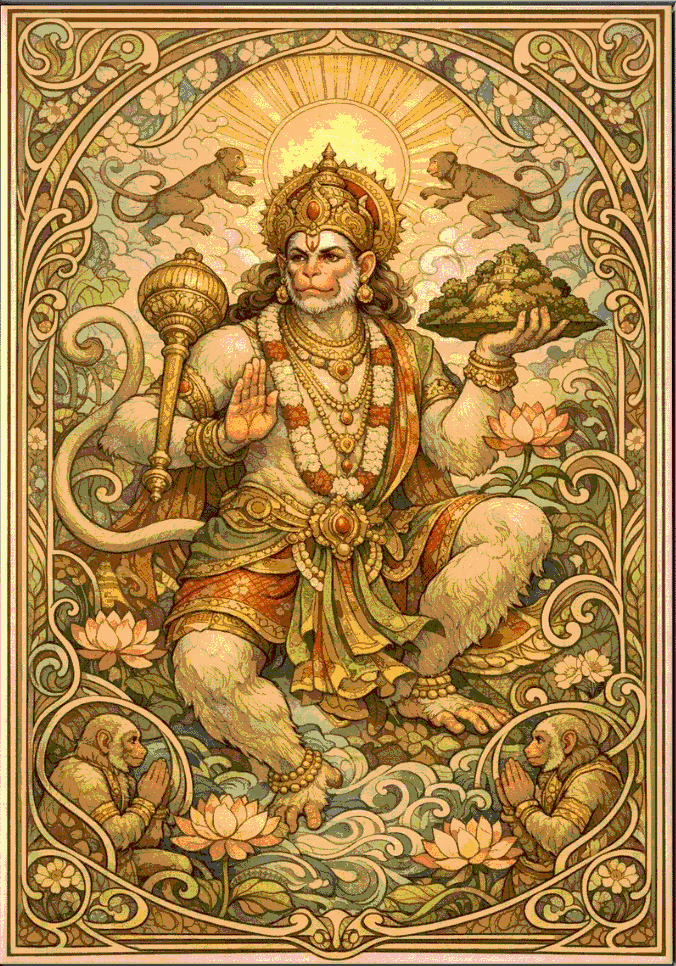
11. Lāya sajīvana lakhana jiyāyeZZZShrī raghubīra harashi ura lāye
-
Bringing the life-giving sajivana herb, you revived Lakshman, and Sri Ram joyfully clasped you to his chest.
-
lāya - brought
sajivana — life-gving herb
Lakhana — Lakshman
jiyāye — revived
shri — lord
Raghubira — Ram
harashi — joyful
ura — heart
lāye — clasped
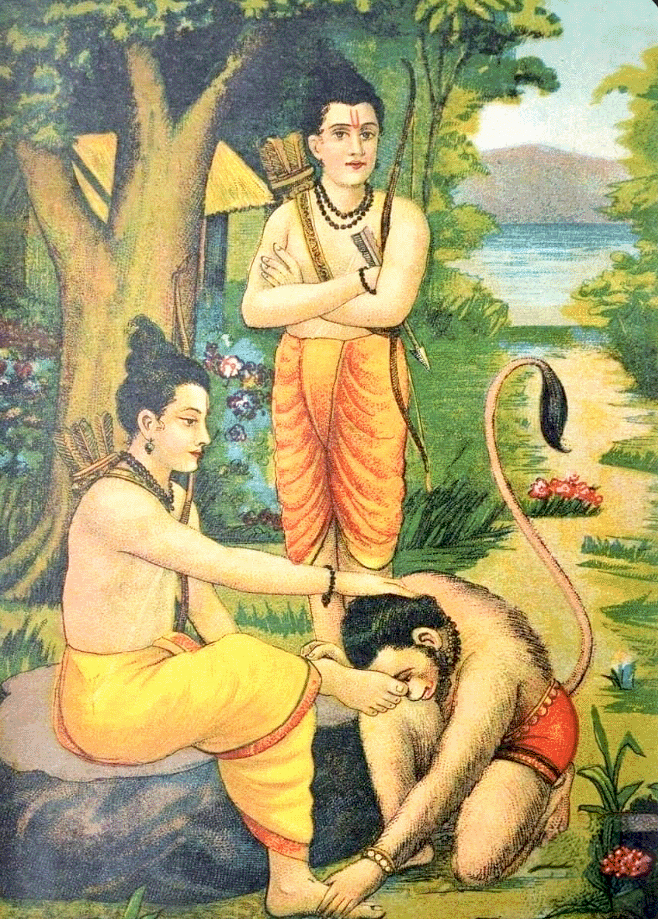
12. Raghupati kīnhī bahuta barā-īZZZTuma mama priya bharatahi sama bhā-ī
-
Greatly did the Raghu Lord praise you saying, “Brother, you are as dear to me as my brother Bharat.”
-
Raghupati — Ram
kinhi — did
bahuta — very
barāi — praise
tuma — you
mama — me
priya — dear
Bharatahi — Bharat (Ram’s brother)
sama — like
bhāi — brother
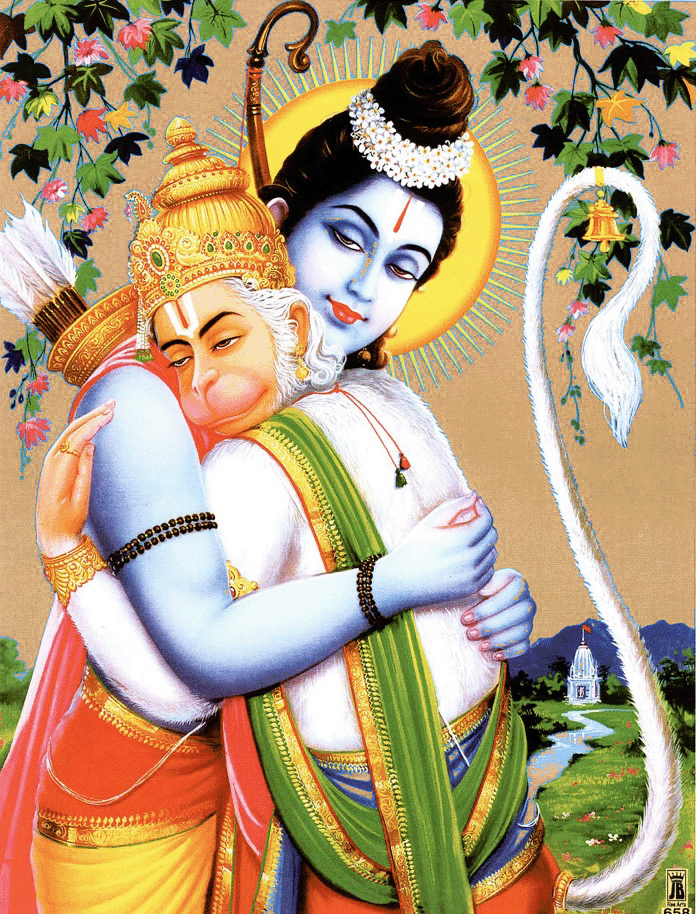
13. Sahasa badana tumharo jasa gāvaiZZZAsa kahi shrīpati kantha lagāvai
-
“May the thousand-mouthed serpent sing your fame!” So saying, Shri’s Lord drew you to Himself.
-
sahasa — 1,000
badana — mouths
tumharo — your
jasa — fame
gāvai — sing
asa — this
kahi — saying
Shripati — Ram
kantha — neck
lagāvai — clasped
14. Sanakādika brahmādi munīsāZZZNārada shārada sahita ahīsā
-
Sanak and the sages, Brahma, gods and great saints, Narada, Sharada, and the King of Serpents.
-
Sanakādika — Sanaka, etc
Brahmādi — Brahma, etc.
munīsā — sages
Nārada — Narad
Shārada — Sarad
sahita — with
Ahīsā — Shesha (king of serpents)

15. Yama kubera digapāla jahān teZZZKabi kobida kahi sake kahān te
-
Yama, Kubera, and the guardians of the quadrants, poets and scholars – none can express your glory.
-
Yama — Yāma (god of underworld/death)
Kubera — Kubera (god of wealth)
digapāla — the rulers of 8 directions
jahāte — wherever
kabi — poets
kobida — scholars
kahi — tell
sakai — can
kahāte - how
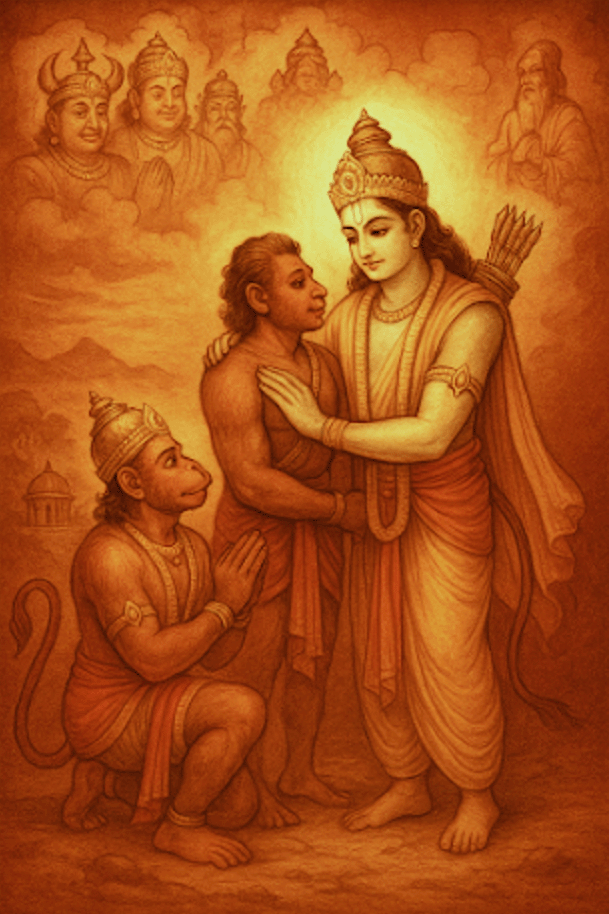
16. Tuma upakāra sugrīvahi kīnhāZZZRāma milāya rājapada dīnhā
-
You rendered great service to Sugriva, presenting him to Ram, you gave him kingship.
-
tuma — you
upakāra — service
Sugrīvahi — Sugriva
kīnhā — did
Rāma — Ram
milāya — introduced
rāja pada — kingdom
dīnhā — gave